Erzsébetváros (Budapest's 7th District) is one of the most densely populated urban areas in Europe. Named after Queen Elisabeth ("Sisi") in 1882, the neighborhood boasts a rich and complex history shaped by architectural elegance, WWII tragedy, communist-era neglect, and a 21st-century artistic rebirth.
1. Late 19th Century — The Artisanal Golden Age
Designed with narrow streets and inner Courtyard tenements (gangos házak), Erzsébetváros became the vibrant center of Jewish life in Pest. Tailors, watchmakers, bakeries, and printing presses filled every courtyard, while grand synagogues like the Dohány Street Synagogue defined the skyline.
2. 1944–1945 — World War II & Destructive Trauma
During WWII, Nazi forces enclosed lower Erzsébetváros into the enclosed Budapest Ghetto. Over 70,000 residents were confined within a wooden fence bordered by Király, Csányi, Rumbach, Dohány, and Károly streets. Structural damage during the Siege of Budapest left dozens of tenement blocks severely scarred.
3. Communist Era & Urban Freezing (1950–1990)
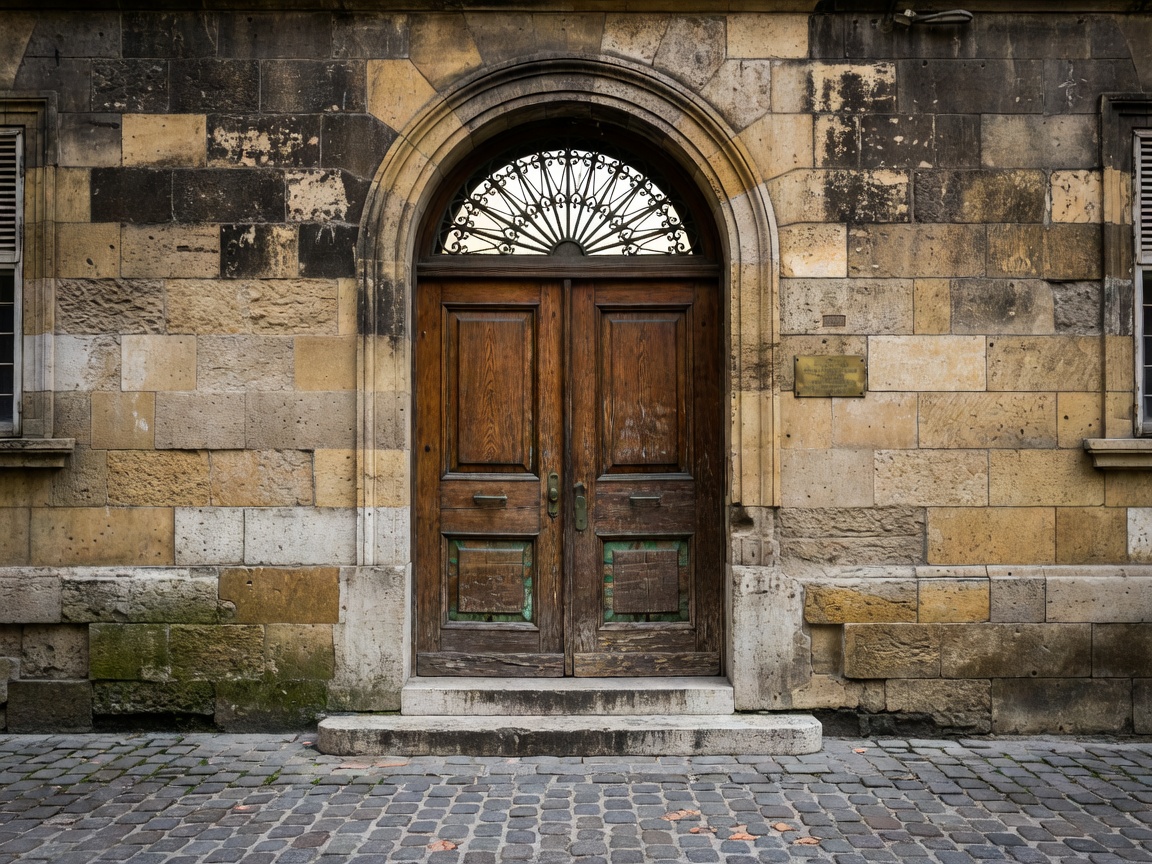
Under communist state management, municipal funds were directed toward modern panel housing estates on the city periphery. Erzsébetváros was effectively "frozen in time." Maintenance was deferred, causing classical stone balconies to decay and facades to fade into gray ruins.
4. 2000s–Present — Ruin Bars & Urban Renaissance
Following the fall of communism, young artists and entrepreneurs leased decaying municipal properties on short-term contracts. Rather than demolishing these historic structures, venues like Szimpla Kert, Fogasház, and Instant repurposed them, launching a world-famous ruin bar culture that revitalized local tourism and preserved historical brickwork.
Modern Balance: Tourism, Art & Community Preservation
Today, Erzsébetváros faces the challenge of managing international popularity while maintaining local residential quality of life. Municipal initiatives, street art firewall projects, and noise management policies aim to ensure District VII remains both a living historic neighborhood and a beacon of global underground creative culture.