To understand the ruin bar (known in Hungarian as romkocsma), one must first look back at the urban landscape of Budapest at the turn of the millennium. District VII, Erzsébetváros, held hundreds of neglected 19th-century residential tenement buildings. After decades of wartime damage and communist-era state housing stagnation, large sections of the Jewish Quarter stood empty, awaiting demolition by municipal planners.
The 2002 Spark: Szimpla's Genesis
In 2002, four university friends—Uzsoki Ferenc, Zsindely Hajnal, Zhendov Máté, and Csnády István—sought an affordable venue where students, filmmakers, and musicians could gather without spending excessive money. They leased a crumbling building on Kertész Street, set up a temporary bar counter, and collected discarded vintage furniture during Budapest's annual lomtalanítás street disposal days.
In 2004, when that original building was marked for redevelopment, the team relocated to Kazinczy Street 14—a abandoned former stove factory and residential courtyard. This became the permanent home of Szimpla Kert, cementing the archetype of the ruin bar: exposed brickwork, overgrown ivy, mismatched retro chairs, open-air courtyards, and artistic installations.
"We didn't set out to start a commercial movement. We wanted to preserve the soul of these decaying classical buildings by filling them with art, music, and community life rather than seeing them torn down."
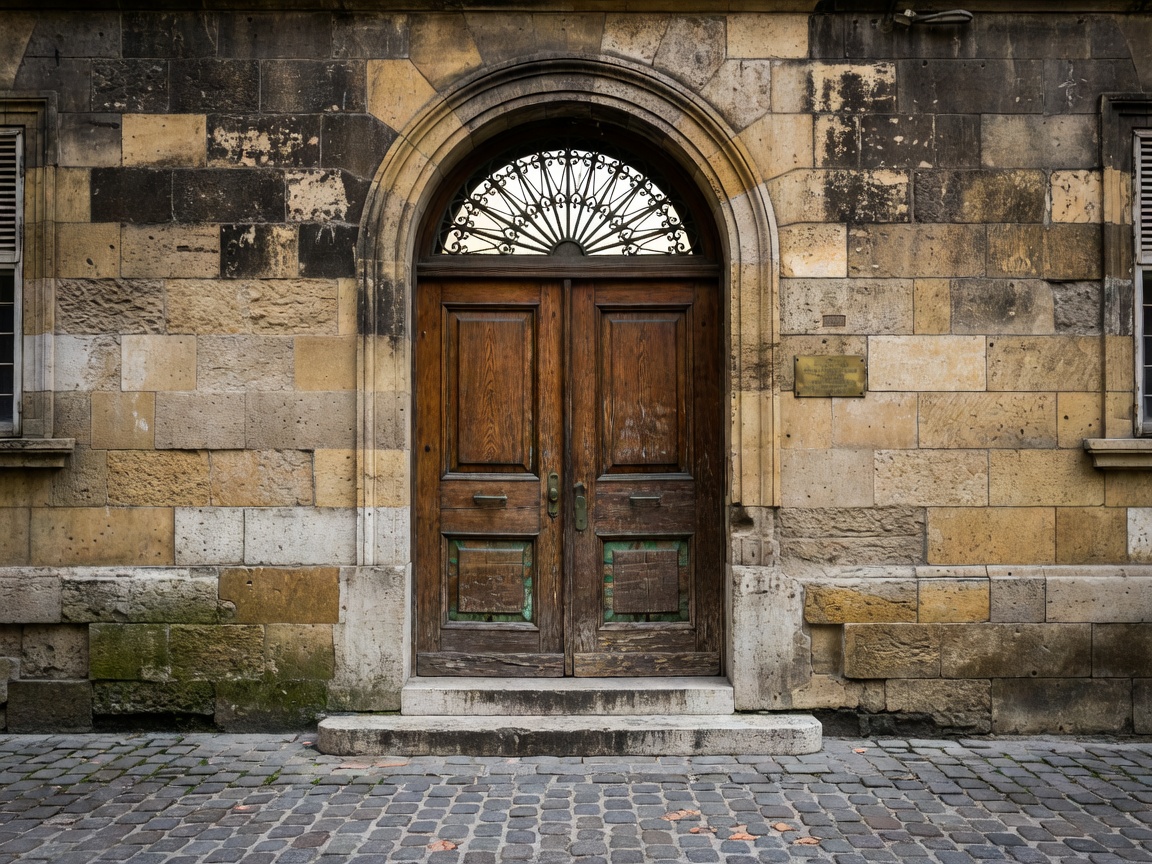
Visual Maximalism & Aesthetic Philosophy
Unlike conventional commercial venues that invest heavily in polished marble and sleek lighting, ruin bars embrace architectural imperfections. Broken plaster reveals original red brickwork, old East German Trabant cars are cut open to serve as seating booths, and antique CRT television screens flicker with video art.
From Underground Hideouts to Global Destinations
Between 2005 and 2015, dozens of ruin bars opened across Erzsébetváros, each carving out a distinct niche:
- Instant & Fogasház: Fusing multiple residential apartment blocks into multi-room electronic dance clubs.
- Mazel Tov: Elevating the ruin bar visual aesthetic into an upscale botanical garden restaurant with glass roofs.
- Ellátó Kert & Doboz: Blending Latin influences, courtyard trees, and massive iron sculptures.
Architectural Preservation & Legacy
The global success of ruin pubs ultimately saved District VII's historic architectural fabric. Rather than flattening classical Neoclassical and Art Nouveau facades, venue operators proved that historic structure preservation and thriving nightlife revenue could coexist, creating one of Europe's most unique cultural districts.